Getting Outside Isn't Just for the Young — Balance Is Everything
Try this right now: stand on one leg. Time it. That ten-second test turns out to predict something far bigger than whether you'll wobble — and almost nobody trains for it until it's gone.
Strength gets all the attention. But there's a quieter physical quality that fades without a sound, takes almost nothing to maintain, and turns out to track surprisingly closely with how long you live: balance.
In a study of middle-aged and older adults, researchers found that people who couldn't hold a simple ten-second stand on one leg had a substantially higher risk of dying from any cause over the following years than those who could. One brief test of balance carried real predictive weight — not because balance is magic, but because it's a window into the whole system: your strength, your nervous system, your coordination, your resilience, all reporting in at once.
Balance doesn't announce its decline. It just quietly shrinks your world, one thing you stop doing at a time.
Why it disappears so quietly
Nobody notices losing balance the way they notice losing strength. There's no failed lift, no obvious moment. Instead the margins narrow: the uneven trail you used to skip down now gets picked across carefully. The curb you step off more deliberately. The ladder you'd rather not climb. Each small avoidance feels reasonable on its own — and together they shrink your life by inches.
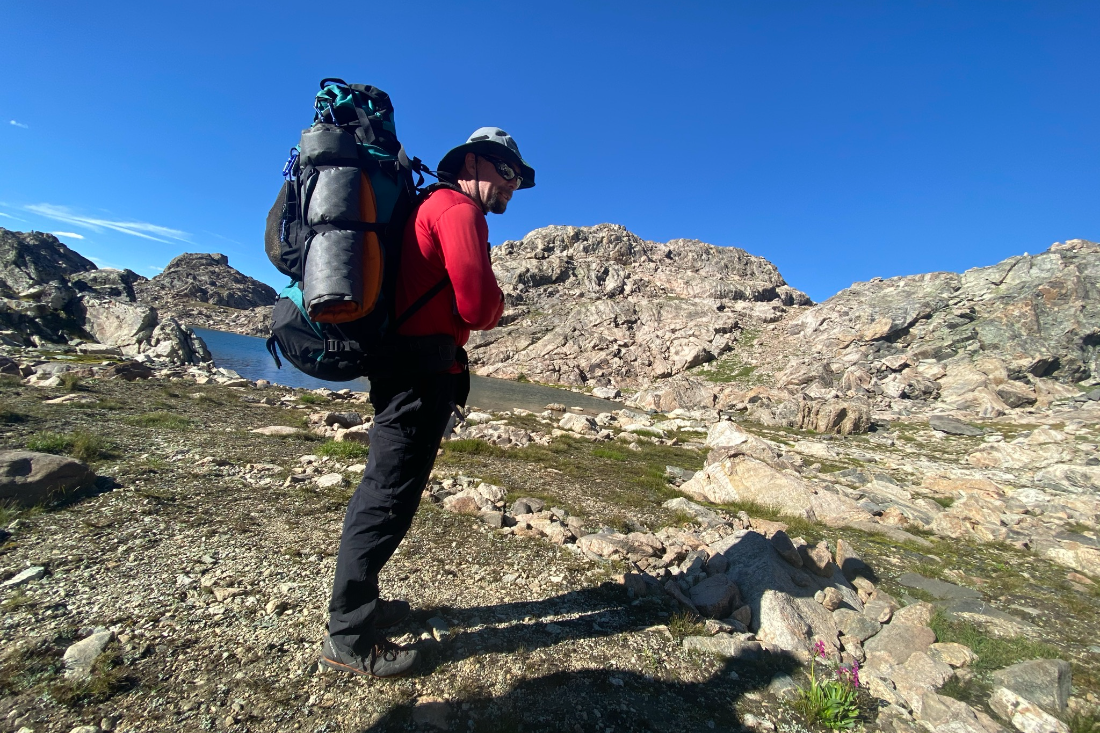
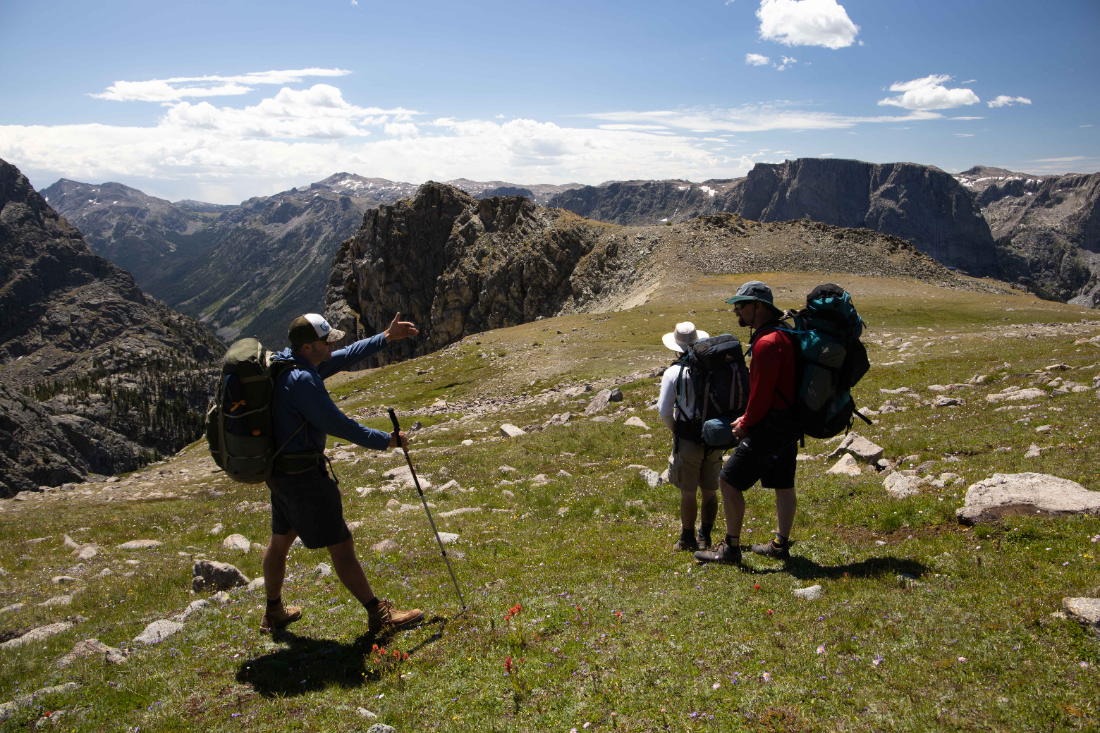
For anyone who loves the outdoors, that's the real stakes. Steep, loose, off-camber, root-tangled ground is exactly the terrain that demands balance — and exactly the terrain that gets quietly surrendered first. Lose balance and you don't just risk a fall. You lose access to the places that make you feel alive.
Research published in the British Journal of Sports Medicine (2022) found that the inability to complete a 10-second one-legged stand was associated with markedly higher all-cause mortality in adults aged 51–75 over a median follow-up of about seven years. Separately, falls remain a leading cause of injury and injury-related death in older adults — and balance training measurably reduces fall risk.
The good news: balance is trainable at any age
Unlike a lot of what ages, balance answers fast. It's a skill, and skills respond to practice — in your 30s, your 60s, your 80s. You don't need equipment or a class. You need to spend time slightly off-balance, on purpose, often.
And the best gym for it has no roof. Walking on uneven natural ground forces hundreds of tiny stabilizing corrections a smooth treadmill never asks for — your ankles, hips, and core constantly negotiating with the terrain. Getting outside doesn't just feel good. It quietly trains the exact quality that keeps you able to keep getting outside. Add the well-documented mental lift of time in nature, and the trail earns its keep twice.
How to train balance without overthinking it
- Take the 10-second test. Stand on one leg. Honestly assess each side. It's your baseline and your reminder.
- Practice single-leg work. Stand on one foot while brushing your teeth. Add split squats and step-ups to your training. Progress to eyes closed.
- Seek uneven ground. Trails, rocks, grass, sand. Natural terrain is the most effective balance trainer there is.
- Keep strength in the mix. Balance and strength work together — a strong leg can act on the corrections a sharp nervous system calls for.
The short version
- A simple 10-second single-leg stand is linked to longevity in the research.
- Balance declines silently, shrinking what you're willing to do outdoors.
- It's a skill — trainable at any age, with no equipment.
- Uneven natural terrain trains balance for free — getting outside is the workout.
Getting outside was never just for the young. It's one of the things that keeps you young — capable, steady, and free to go where you want for decades longer than the people who gave it up early.
Build strength and balance that lasts
I coach adventurers of every age in Park City and beyond — training the strength, power, and balance that keep you capable outdoors for life.
Book a Session →Sources & further reading
Araujo CG, et al. "Successful 10-second one-legged stance performance predicts survival in middle-aged and older individuals." British Journal of Sports Medicine, 2022. · Sherrington C, et al. "Exercise for preventing falls in older people living in the community." Cochrane Database of Systematic Reviews, 2019. · U.S. Centers for Disease Control and Prevention, falls data among older adults.