Mix It Up: Mountain Biking, Paddle Boarding & the Trail as a Gym
Variety gets sold as the fun option — the spice, not the meal. The research says something sharper: training one thing exclusively is how durable athletes break themselves.

The runner who only runs. The lifter who only lifts. They share a problem they can't see coming, because it builds one identical rep at a time.
Do the same movement, in the same plane, under the same load, over and over, and you load the same tissues in the same spot on a loop. That's the recipe for overuse injury — and overuse, not dramatic accidents, is what sidelines most endurance and single-sport athletes. The body is remarkably good at adapting to variety and remarkably bad at absorbing endless repetition.
This is where "mix it up" stops being a lifestyle slogan and becomes injury prevention.
The specificity trap
Strength training builds a powerful engine. But strength in the squat rack doesn't automatically become balance on a paddle board, lateral control on a bike, or the thousand tiny stabilizing corrections of a boulder field. Each activity teaches your nervous system patterns the others never ask for.
Gym strength is the engine. Mixing disciplines is what teaches you to actually drive it on rough ground.
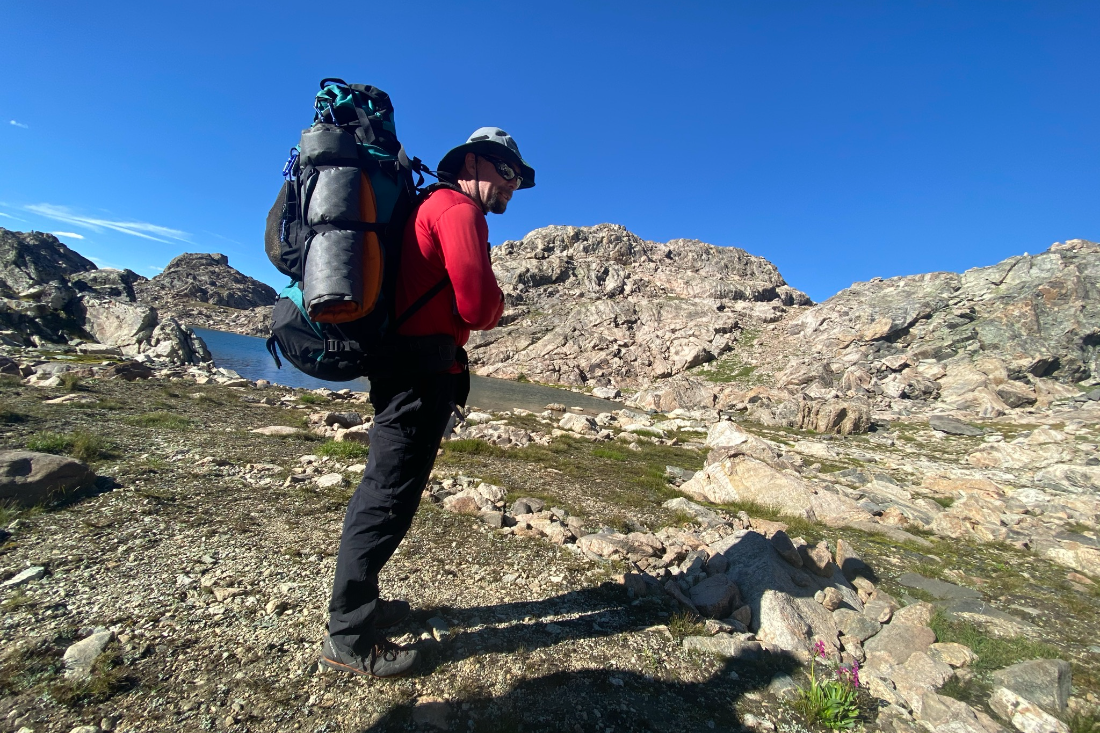
Mountain biking trains explosive legs and reaction. Paddle boarding hammers balance and a quietly relentless core. Hiking under load builds the unglamorous, mountain-specific endurance nothing in a gym fully replicates. Stack them and you don't just get fitter — you get broader, harder to break, and more capable across the messy, unpredictable terrain real adventure throws at you.
A large share of injuries in repetitive endurance sports are overuse injuries — accumulated stress on the same tissues, not single traumatic events. Varying your training distributes load across different muscles, planes, and joints, while cross-training maintains fitness with less repetitive strain. There's a motor-learning dividend too: varied movement builds broader coordination than narrow specialization.
The variety also keeps you in the game
There's a less technical benefit, and it might matter most. The best training program is the one you don't quit — and monotony is a quiet killer of consistency. A week that includes a ride, a paddle, a hike, and two short strength sessions is one you look forward to. Adherence isn't a soft factor. Over a year, it's the factor.
How to mix it without making a mess
- Keep strength as the base. Two short, consistent lifting sessions a week stay the engine. Everything else is built on top.
- Rotate your adventures. Bike, paddle, hike, climb. Different planes, different demands, different tissues sharing the load.
- Let activities double as recovery. An easy paddle the day after a hard lift moves blood and aids recovery without adding hard stress.
- Watch for the overuse whisper. A nagging, same-spot ache that creeps in over weeks is the signal to vary the stimulus — before it forces you to.
The short version
- Most single-sport injuries are overuse, not accidents.
- Variety spreads load across tissues and builds a more durable, adaptable body.
- Gym strength is the engine; mixed disciplines teach you to use it on real terrain.
- Enjoyable, varied training is the kind you actually keep doing.
So go ride. Go paddle. Treat the whole range as your gym. It isn't a break from training — for a mountain athlete, it might be the most complete training there is.
Build a week that covers it all
I'll help you blend strength, cross-training, and real adventure into one program that makes you durable — not just fit in one narrow thing.
Plan Your Training →Sources & further reading
van Mechelen W. "Running injuries: a review of the epidemiological literature." Sports Medicine, 1992. · Kraemer WJ & Ratamess NA. "Fundamentals of resistance training: progression and exercise prescription." Medicine & Science in Sports & Exercise, 2004. · Reviews on cross-training and overuse-injury risk reduction in recreational athletes.